November 25, 2026
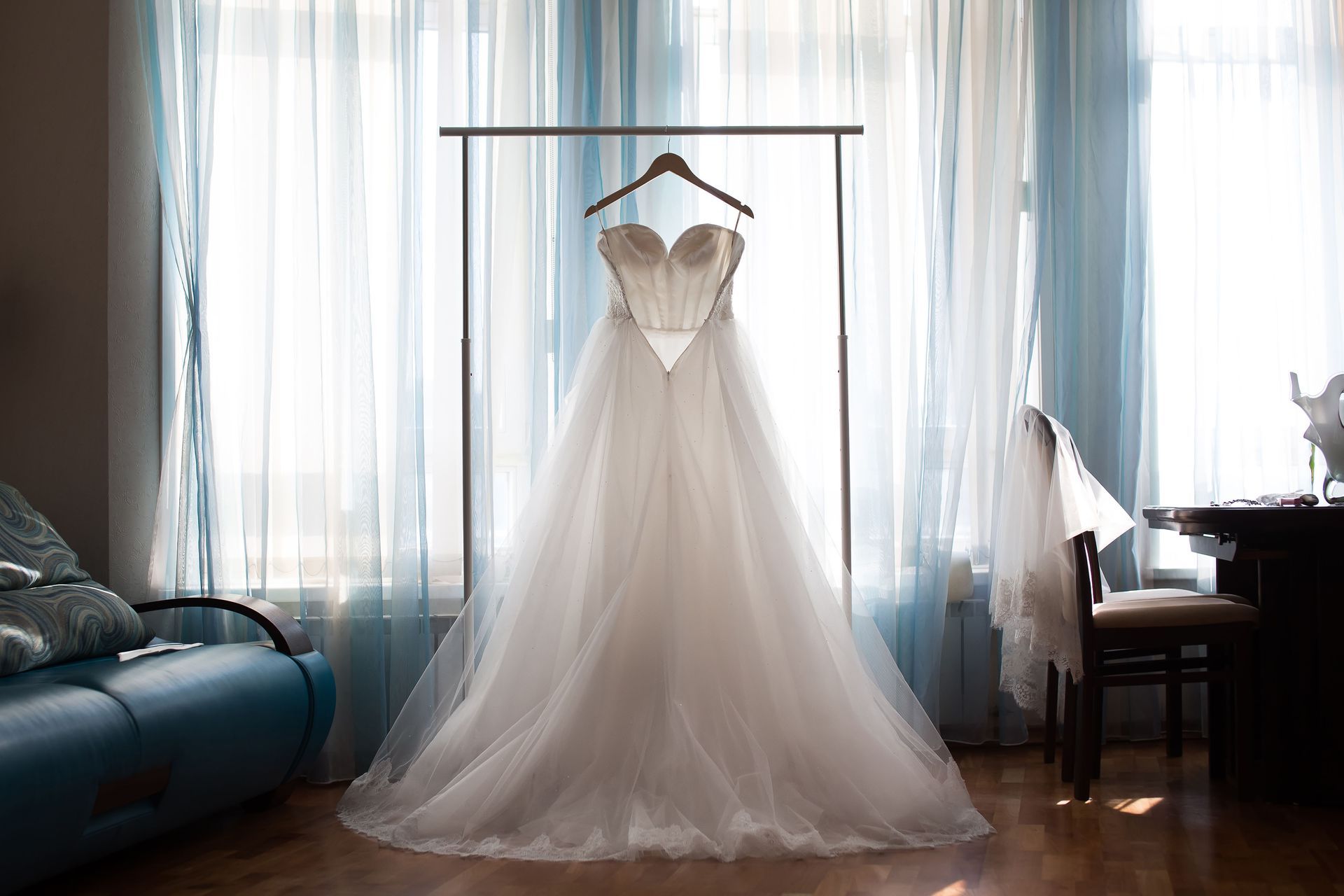
A wedding dress is more than just another piece of clothing. It represents an important milestone, holds sentimental value, and often serves as a reminder of one of the most meaningful days in a person's life. After the celebration ends, however, the dress may have accumulated stains, dirt, makeup, perspiration, and other residue from hours of wearing it. Even if a gown looks relatively clean, substances that are not immediately visible can settle into the fabric and become more difficult to remove over time. Taking the right steps to care for the garment is essential for preserving its appearance and condition.
While it may be tempting to clean a wedding dress at home, these garments often require specialized attention. Delicate fabrics, intricate embellishments, and unique construction details can make the cleaning process more complicated than washing everyday clothing. Professional wedding dress cleaning offers a careful approach designed to address these challenges. At Mike's Golden Cleaners, understanding the importance of garment care helps illustrate why professional cleaning is worth considering after the big day.
Understanding the Challenges of Wedding Dress Fabrics
Wedding dresses are made from a variety of materials, and each fabric has different cleaning requirements. Common options include silk, satin, chiffon, lace, organza, and tulle. Some gowns combine several of these materials, creating additional considerations when determining the appropriate cleaning method. A process that works for one fabric may damage another, making it important to understand the garment's construction before attempting to clean it.
Natural fabrics such as silk can be particularly sensitive to moisture, heat, and certain cleaning products. Delicate lace may stretch or lose its shape if handled improperly, while layers of tulle can become distorted when exposed to excessive friction. Satin gowns may also develop visible marks or changes in texture if they are cleaned with unsuitable products.
Professional cleaners can evaluate the garment's materials and care instructions before selecting an appropriate cleaning process. This assessment helps reduce the risk of unnecessary damage while addressing the specific needs of the dress. Rather than treating every gown the same way, professional wedding dress cleaning takes the garment's individual characteristics into consideration.
Removing Stains Without Damaging Delicate Details
Wedding celebrations can expose a dress to numerous substances that leave behind stains. Food, beverages, grass, dirt, makeup, and perspiration are common examples. Some marks are easy to notice, particularly around the hemline, while others may be difficult to see without closely examining the garment. The longer certain stains remain in the fabric, the more challenging they may become to address.
Attempting to remove these marks at home can create additional problems. Household stain removers, bleach, and general-purpose detergents may be too harsh for delicate wedding dress materials. Rubbing a stained area can also spread the substance, weaken fibers, or alter the appearance of the fabric. Even applying water without understanding the material's requirements can leave rings or discoloration.
Professional cleaners have experience evaluating different types of stains and determining how to approach them. Depending on the fabric and the substance involved, targeted treatments may be used to address specific areas before the overall cleaning process begins. This attention to individual stains is especially important for gowns with decorative details or multiple fabric layers.
Professional wedding dress cleaning can help address visible marks while protecting the garment from the potential consequences of improper home treatments. However, not every stain can be guaranteed to disappear completely, particularly if it has been present for an extended period.
Protecting Beading, Lace, and Other Embellishments
Many wedding dresses feature decorative elements that contribute to their overall design. Beading, sequins, embroidery, appliques, lace overlays, and delicate stitching can make a gown visually distinctive. These details also introduce additional cleaning challenges because they may respond differently to moisture, chemicals, and physical handling than the surrounding fabric.
For example, some decorative beads or sequins may become loose when exposed to excessive agitation. Certain adhesives used to attach embellishments can weaken under unsuitable cleaning conditions. Lace and embroidery may also snag or become distorted if the dress is handled too roughly.
Home washing methods rarely account for every decorative component of a gown. Placing a dress in a standard washing machine, even inside a garment bag, can expose it to unnecessary movement and friction. Handwashing is not automatically safer, either, since improper handling or cleaning solutions can still affect delicate details.
Professional cleaners can inspect these features and consider them when determining how to handle the garment. This is particularly valuable for dresses with extensive decoration, intricate construction, or multiple layers. Careful handling helps preserve the details that make the gown special and supports its long-term condition.
Addressing Hidden Stains and Residue
Not all wedding dress stains are immediately visible. During a celebration, perspiration, body oils, perfume, and other substances can transfer to the garment without leaving obvious marks. These residues may collect around the neckline, underarms, waist, and areas that come into contact with the skin. The bottom of the dress may also accumulate dirt and debris from walking across different surfaces.
Although a gown might appear clean after the wedding, invisible residue can remain in the fibers. Over time, some substances may contribute to yellowing, discoloration, or changes in the fabric's appearance. This can become especially concerning when a dress is stored for months or years without receiving appropriate care.
A professional inspection can help identify areas that need attention before the garment is cleaned and stored. This is one reason it is beneficial to arrange wedding dress cleaning relatively soon after the celebration rather than waiting until the gown is needed again.
Addressing hidden residue is particularly important for anyone planning to preserve a wedding dress as a keepsake or pass it down to another family member. Taking care of the garment early can help prevent avoidable deterioration and maintain its appearance for the future.
Preserving Your Dress for Years to Come
For many people, a wedding dress is something they want to keep long after the ceremony and reception are over. Some homeowners store their gowns as personal mementos, while others hope to pass them along to children or other relatives. Regardless of the reason, proper cleaning and storage play important roles in preserving the garment.
Leaving stains and residue untreated can make long-term preservation more difficult. Certain substances may become increasingly noticeable as the fabric ages, while improper storage can introduce additional problems. Exposure to sunlight, humidity, dust, and unsuitable packaging may contribute to discoloration or fabric deterioration.
Professional wedding dress cleaning is an important first step for those interested in preserving their gowns. After cleaning, the dress should be stored in an environment that protects it from excessive light, moisture, and temperature fluctuations. Specialized preservation packaging may also be appropriate, depending on the gown's materials and the length of time it will remain in storage.
Understanding the Importance of Timely Cleaning
Wedding planning involves months of preparation, and the wedding day itself can pass quickly. Once the celebration is over, cleaning the dress may not seem like an immediate priority. However, postponing garment care can allow stains and residue to remain in the fabric longer than necessary.
According to 4Over4, the United States averages about 2.1 million weddings per year. With so many celebrations taking place annually, wedding dresses represent an important category of specialty garment care. Each gown has its own materials, construction, and cleaning requirements, which makes professional evaluation especially useful.
Scheduling cleaning soon after the wedding allows a professional to assess the garment while stains and residue are still relatively recent. It also gives the cleaner an opportunity to identify areas that may require additional attention. This can be particularly helpful for gowns with visible dirt along the hemline or stains caused by food and beverages.
Rather than risking damage with household cleaning products or unfamiliar washing methods, homeowners can turn to professionals who understand the specific requirements of specialty garments. With timely wedding dress cleaning and appropriate storage, a gown can remain a meaningful reminder of a special day for years to come. Mike's Golden Cleaners can help make caring for this important garment part of the process of preserving its condition and sentimental value. For
wedding dress cleaning you can rely on, contact us today.